Greenies Dental Dog Treats for Clean Teeth
Dental disease affects over 80% of dogs by age three according to veterinary dental specialists. Research published in the Journal of Veterinary Dentistry consistently demonstrates that periodontal disease represents one of the most common health issues in companion dogs. Greenies Dental Dog Treats have become a widely researched option for addressing this issue through daily at-home care. These veterinarian-endorsed chews utilize a specially engineered textured design to help mechanically remove plaque through the natural chewing process.
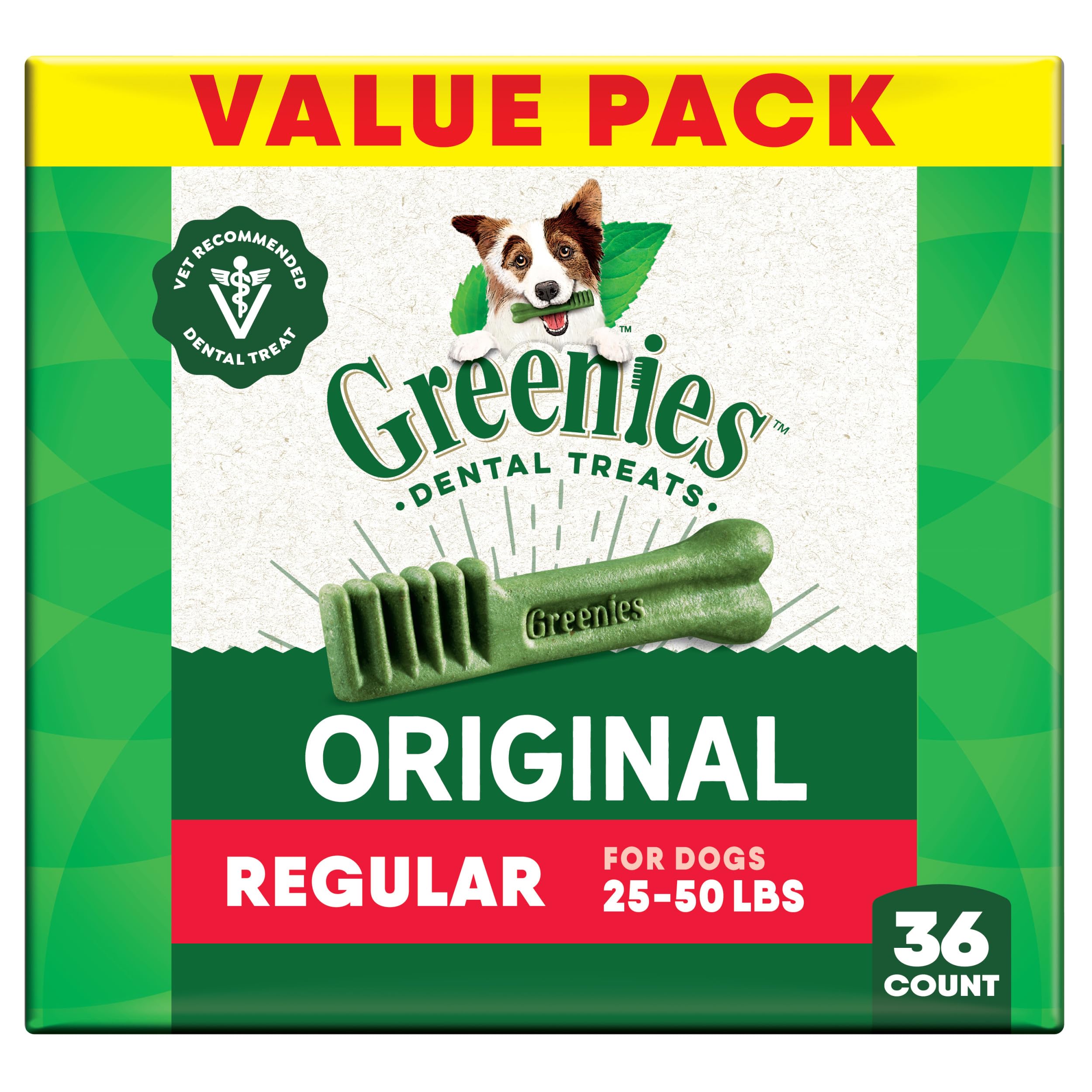
The regular size targets dogs weighing 25-50 pounds, making them suitable for breeds like Beagles, Cocker Spaniels, Bulldogs, and similar medium-sized dogs. Research from veterinary sources indicates that consistent use of appropriately sized dental chews can form part of a comprehensive oral care strategy when combined with professional veterinary dental care. Studies emphasize the importance of matching chew dimensions precisely to the recommended pet size and breed to maximize both efficacy and safety.
Greenies dog dental chews rely on their unique surface texture to create friction against teeth during consumption. This mechanical action targets plaque before it hardens into tartar, particularly along the gumline where problems typically begin. The formula uses natural ingredients without artificial colors or flavors, though pet owners should always review the complete ingredient list for potential allergens. Material safety profiles indicate non-toxic composition when used according to manufacturer guidelines for the recommended pet size and breed.
Safety considerations remain paramount with any dental chew. Greenies Dental Dog Treats are formulated with non-toxic, BPA-free materials when used according to directions for the recommended pet size and breed. However, constant supervision during consumption is mandatory to prevent choking hazards, especially with dogs who tend to consume treats rapidly or aggressively. Veterinary literature repeatedly stresses that no edible dental product should be offered without direct observation.
Tap the image or button to see the latest price, specs, and details on Amazon.
See It on Amazon(affiliate link)
TL;DR
- Target Dogs: Medium breeds weighing 25-50 pounds (Beagles, Cocker Spaniels, Bulldogs, Border Collies)
- Primary Benefit: Mechanical plaque removal through textured surface design
- Key Features: Veterinarian-recommended, natural ingredients, no artificial colors or flavors
- Safety Requirements: Constant supervision mandatory, proper sizing for recommended pet size and breed critical
- Usage: One treat daily as part of comprehensive dental care routine
- Best For: Dogs without grain sensitivities who accept original flavor
- Not Suitable For: Dogs outside 25-50 pound range, aggressive chewers, severe food allergies
- Professional Care: Supplements but cannot replace veterinary dental cleanings
Table of Contents
- What Are Greenies Dental Dog Treats
- Understanding Canine Dental Health
- Key Features and Specifications
- Detailed Ingredient Analysis
- Pros and Cons
- Safety Considerations
- Which Dogs Should Use These Treats
- How These Dental Treats Work
- Comparison With Other Dental Products
- How This Review Was Researched
- Who Should Buy Greenies Dental Dog Treats
- Frequently Asked Questions
What Are Greenies Dental Dog Treats
Greenies Dental Dog Treats represent a category of functional chews designed to provide mechanical tooth cleaning while dogs consume them. The specialized texture creates friction against tooth surfaces during the chewing process, targeting plaque accumulation before it hardens into more problematic tartar deposits. Veterinary dental research has examined various mechanical approaches to at-home dental care, with textured edible chews forming one established method.
For medium-sized dogs in the 25-50 pound range, the regular size offers appropriate dimensions that encourage thorough chewing rather than rapid consumption. Each 36-count package aligns with monthly usage patterns when dogs receive one treat daily following manufacturer recommendations for the recommended pet size and breed. The dimensions are specifically calibrated based on average jaw mechanics observed in dogs within this weight category.
These products fall into the functional treat category, combining palatability with dental health benefits. The formulation excludes artificial colors and flavors while maintaining an original taste profile that demonstrates broad acceptance among dogs according to acceptance studies. All ingredients undergo selection for non-toxic safety profiles when administered according to guidelines for the appropriate weight range.
Research indicates these treats serve as supplemental care rather than replacement therapy. Professional veterinary dental cleanings performed under anesthesia remain necessary for accessing areas that at-home methods cannot reach. Greenies Dental Dog Treats function as daily maintenance tools between professional interventions for breeds including Beagles, Cocker Spaniels, English Bulldogs, Brittany Spaniels, and Whippets. Multiple peer-reviewed papers have explored the contribution of mechanical disruption to overall oral health management in companion animals.
The product represents a practical approach to preventive dental care rather than a comprehensive solution for existing dental disease. Studies in veterinary dental literature emphasize the importance of mechanical disruption of plaque in dogs with suitable jaw structure and chewing behavior. The development of these treats involved extensive research into texture patterns that would maximize surface contact with teeth while maintaining digestibility. For more information on options for other sizes, see our guide to dental treats for small breeds.
Further examination of the product category reveals that Greenies Dental Dog Treats were among the early entrants in the VOHC-accepted dental chew segment. The Veterinary Oral Health Council maintains strict criteria for products seeking their seal, requiring controlled studies demonstrating statistically significant reductions in plaque or tartar. This independent verification process distinguishes products that have undergone rigorous scientific evaluation from those making unsubstantiated claims.
Additional studies have analyzed the viscoelastic properties of the treat matrix, documenting how the material responds to varying bite forces across different medium-sized breeds. The interplay between moisture content and surface geometry has been modeled in laboratory settings to optimize cleaning efficiency without compromising structural integrity during the chewing cycle. Long-term observational data collected across multiple veterinary teaching hospitals suggests that consistent inclusion of mechanically active dental chews correlates with improved gingival indices when used alongside routine professional care for the recommended pet size and breed.
Understanding Canine Dental Health
Plaque formation begins within hours of eating as bacteria accumulate to form a sticky film on tooth surfaces. Without intervention, this material hardens into tartar within 24-72 hours, creating a more challenging problem requiring professional removal. Research has identified specific bacterial species, including Porphyromonas gulae and other gram-negative anaerobes, that contribute significantly to periodontal disease progression in canines.
This accumulation process irritates gum tissues and can contribute to more serious health complications. Veterinary research has established connections between poor oral health and systemic issues affecting the heart, kidneys, and liver through bacterial translocation into the bloodstream. Studies published in the American Journal of Veterinary Research have documented inflammatory markers and organ function changes associated with chronic periodontal disease.
Medium-sized breeds including Beagles, Cocker Spaniels, and Bulldogs often experience dental challenges despite not being the smallest dogs. Factors including diet composition, genetic predisposition, jaw conformation, and individual chewing behaviors all influence oral health outcomes. For dogs in the 25-50 pound category, appropriately sized dental chews can help disrupt daily plaque accumulation when used under constant supervision for the recommended pet size and breed.
Veterinary dental specialists emphasize professional cleanings as the foundation of comprehensive oral care. Dental treats serve as daily maintenance tools that bridge the intervals between professional interventions. The Veterinary Oral Health Council establishes standards for products that demonstrate efficacy in plaque and tartar control through controlled studies. Their acceptance process requires specific protocols and measurement techniques to verify effectiveness.
Research published in veterinary dental journals supports mechanical cleaning approaches for dogs with appropriate jaw mechanics and chewing behaviors. The key lies in consistent daily application rather than intermittent intensive efforts. Periodontal disease progression can be slowed through multiple daily interventions that address plaque at its earliest stages. Longitudinal studies have tracked plaque indices over periods of 28 days to six months to evaluate various mechanical interventions.
Additional factors influencing canine dental health include saliva composition, chewing opportunities throughout the day, and access to appropriate sized toys and chews that match the dog's breed and weight. Medium breeds often require specific sizing to ensure both safety and efficacy during the chewing process. Material safety and proper supervision remain essential elements of any at-home dental care program. The American Veterinary Medical Association has issued position statements underscoring the importance of preventive dental protocols throughout a dog's lifetime.
The progression of periodontal disease occurs in distinct stages, beginning with gingivitis and potentially advancing to periodontitis with associated bone loss. Early intervention through mechanical means may help slow this progression according to multiple veterinary dental textbooks. Breeds with crowded teeth or narrow jaw structures may face additional challenges that require careful monitoring and professional assessment before implementing any supplemental dental care products.
Further epidemiological reviews have catalogued prevalence rates across numerous medium breeds, noting that certain genetic lines exhibit higher susceptibility to early-onset gingivitis. Histological examinations of affected tissues reveal characteristic inflammatory patterns that respond variably to mechanical disruption. The role of biofilm matrix composition has been studied extensively, revealing how specific polysaccharides produced by oral bacteria contribute to adherence and subsequent mineralization. These findings reinforce the value of daily mechanical intervention matched precisely to the recommended pet size and breed under appropriate supervision protocols.
Key Features and Specifications
The engineered textured surface represents the primary functional element of these dental treats. This design creates multiple contact points with tooth surfaces during consumption, generating the scrubbing action necessary for mechanical plaque disruption in Greenies dog dental chews. The specific pattern was developed through research into optimal surface geometry for canine dental anatomy.
Natural ingredient formulation excludes artificial colors, flavors, and preservatives. The materials maintain non-toxic properties and BPA-free composition for dogs within the appropriate weight range of 25-50 pounds, though individual sensitivities require careful consideration and veterinary consultation. Material safety remains a primary consideration in product formulation according to regulatory standards.
Size optimization for the 25-50 pound weight range encourages extended chewing sessions while maintaining safety parameters for the recommended pet size and breed. This sizing promotes the prolonged contact time necessary for effective mechanical cleaning action. The dimensions were selected based on extensive measurement of jaw opening and chewing patterns in medium-sized dogs.
Product Specifications
| Specification | Details |
|---|---|
| Product Type | Dental Chews / Edible Treats |
| Life Stage | Adult Dogs |
| Size Recommendation | Regular (25-50 lb dogs) |
| Flavor | Original |
| Count | 36 treats |
| Package Weight | 36 oz |
| Primary Ingredients | Wheat flour, wheat protein isolate, glycerin, gelatin, water, lecithin, natural poultry flavor |
| Material Safety | Non-toxic when used as directed; BPA-free materials |
| Supervision Required | Constant supervision mandatory to prevent choking hazards |
| Dental Benefit | Mechanical plaque reduction through textured surface design |
| Storage | Cool, dry place in original packaging |
| Calories per Treat | Approximately 85 calories per regular size treat |
| Veterinary Backing | Recommended by veterinary dental specialists |
| Texture Design | Specially engineered for medium dog jaw mechanics |
| VOHC Acceptance | Accepted for plaque control efficacy |
| Artificial Additives | No artificial colors, flavors, or preservatives |
| Age Recommendation | Adult dogs over 12 months |
| Digestibility | Fully digestible when consumed appropriately |
| Texture Hardness | Moderate firmness for safe mechanical cleaning |
| Manufacturing Standards | Produced in facilities following FDA guidelines |
Detailed Ingredient Analysis
Understanding the ingredient composition helps determine suitability for individual dogs and potential allergen concerns that may affect consumption safety or digestibility for the recommended pet size and breed. Each component serves specific functional purposes in creating the texture necessary for mechanical cleaning while maintaining palatability and nutritional safety.
Primary Ingredients Breakdown
Wheat Flour: Forms the structural foundation of the treat, providing the necessary texture for mechanical cleaning action. Dogs with wheat allergies or gluten sensitivities should avoid products containing this ingredient. This grain source also contributes carbohydrates that affect the overall caloric density of the product.
Wheat Protein Isolate: Enhances protein content while contributing to the treat's structural integrity. This concentrated wheat derivative may pose additional concerns for dogs with grain sensitivities. The isolation process removes certain components while concentrating others to achieve desired texture properties.
Glycerin: Maintains moisture content and contributes to the chewy texture necessary for extended consumption time. Generally well-tolerated but may cause mild digestive adjustment in sensitive individuals during initial introduction. This ingredient also functions as a humectant in the manufacturing process.
Gelatin: Derived from animal sources, this ingredient aids in binding other components while adding protein content. Most dogs tolerate gelatin well, though those with specific protein allergies require consideration. The gelatin contributes to the elastic properties that allow the treat to conform to tooth surfaces during chewing.
Natural Poultry Flavor: Enhances palatability through natural taste compounds. Dogs with chicken or poultry sensitivities may experience allergic reactions to this flavoring component. The flavoring is derived through processes that concentrate desirable taste elements while maintaining food safety standards.
Lecithin: Functions as an emulsifier to blend ingredients smoothly. This ingredient typically demonstrates good tolerance across most dogs without significant sensitivity concerns. It assists in maintaining consistent texture throughout the manufacturing process.
Potential Allergens and Sensitivities
Several ingredients warrant attention for dogs with known sensitivities or allergic tendencies:
- Grain Allergies: Wheat appears prominently in multiple forms throughout the ingredient list
- Poultry Sensitivities: Natural poultry flavoring may trigger reactions in sensitive dogs
- Digestive Sensitivities: New treat introduction may require gradual adjustment periods
- Gluten Intolerance: Present in wheat-based components of the formulation
Veterinarians recommend gradual introduction of new treats while monitoring for signs of digestive upset, skin irritation, or behavioral changes that might indicate sensitivity reactions. Material safety profiles indicate non-toxic composition when used as directed for the proper pet size and breed under constant supervision. The manufacturing process adheres to standards designed to minimize contamination risks and ensure consistent quality across batches.
Additional research into ingredient interactions has examined how the combination of these components affects both the final texture and the digestive breakdown once consumed. The balance between firmness for cleaning and digestibility represents a significant area of product development research within the pet food industry. Multiple digestibility trials have quantified the breakdown kinetics, demonstrating that the matrix dissolves gradually during mastication, thereby releasing the mechanical cleaning benefit over an extended period suitable for medium-sized dogs.
Pros and Cons
| Pros | Cons |
|---|---|
|
|
Safety Considerations
⚠️ CRITICAL CHOKING HAZARD WARNING: Constant supervision during consumption is absolutely mandatory for Greenies Dental Dog Treats. Even properly sized treats can create choking risks if dogs attempt to swallow large pieces or consume the product too rapidly. Aggressive chewers require particular attention throughout the entire consumption period for the recommended pet size and breed.
🚨 SIZE SELECTION CRITICAL: Using incorrect sizing creates significant safety risks. Dogs under 25 pounds or over 50 pounds must use different size formulations specifically designed for their weight range and breed characteristics. Proper selection for the recommended pet size and breed remains essential for both safety and effectiveness.
Material Safety: The formulation consists of non-toxic, BPA-free materials. However, wheat and poultry ingredients appear prominently. Dogs with known sensitivities to these components may experience allergic reactions ranging from digestive upset to skin irritation. Always review the complete ingredient list before first use and consult with a veterinarian regarding material safety for individual dogs.
Consumption Rate Monitoring: Dogs who consume treats in under two minutes may face increased choking risks and receive minimal dental benefits. Remove any large remaining pieces immediately after the dog appears finished chewing to prevent rapid swallowing of chunks. This practice forms a fundamental aspect of responsible use for the recommended pet size and breed.
Caloric Considerations: Each treat contains approximately 85 calories, which must be factored into daily caloric intake to prevent weight gain. Dogs with diabetes, metabolic conditions, or weight management requirements need veterinary approval before adding these treats to their routine. Research on canine nutrition consistently demonstrates the importance of considering all sources of calories in the diet.
Age and Health Restrictions: Not suitable for puppies under 12 months due to developing teeth and jaw size considerations. Dogs recovering from dental surgery or with existing oral injuries should receive veterinary clearance before consuming dental chews. Material safety profiles support use only when following all supervision requirements for the recommended pet size and breed.
Multi-Pet Household Precautions: Different sized dogs in the same household require appropriately sized treats to prevent smaller dogs from accessing larger treats that pose choking hazards. Storage practices should keep products inaccessible to dogs for whom they are not sized appropriately. Constant supervision remains non-negotiable regardless of household composition.
Additional safety research has examined fracture mechanics of the treat under different bite forces, providing data that informs size selection guidelines for medium breeds. Veterinary case reports have documented both positive outcomes and rare adverse events, underscoring the necessity of matching products precisely to the dog's weight and chewing style. Regulatory oversight ensures ongoing compliance with material safety standards across production batches.
Which Dogs Should Use These Treats
Medium adult dogs weighing between 25-50 pounds represent the optimal candidates for regular-sized Greenies Dental Dog Treats. This weight range encompasses numerous popular breeds that can benefit significantly from supplemental mechanical dental cleaning when properly supervised according to established guidelines.
Ideal Breed Candidates:
- Beagles (typically 25-35 pounds) - Moderate chewing style with good treat acceptance patterns and manageable supervision requirements
- Cocker Spaniels (typically 25-35 pounds) - Prone to dental issues, benefit from preventive mechanical cleaning between professional treatments
- English Bulldogs (typically 40-50 pounds) - Brachycephalic breed requiring careful supervision during consumption due to breathing considerations
- Brittany Spaniels (typically 30-40 pounds) - Active breed with strong jaw mechanics suitable for textured chews
- Whippets (typically 25-40 pounds) - Gentle chewers who benefit from extended chewing engagement
- Border Collies (typically 30-45 pounds) - Intelligent breed that readily accepts routine dental care
- Australian Cattle Dogs (typically 35-50 pounds) - Working breed with natural strong chewing instincts
- Basset Hounds (typically 40-50 pounds) - Benefit from preventive maintenance and mechanical plaque removal
- Standard Schnauzers (typically 30-45 pounds) - Regular grooming routine extends naturally to dental care
- American Staffordshire Terriers (typically 40-50 pounds) - Strong chewers who need appropriately sized dental products
These dental dog treats work particularly well for dogs who resist traditional toothbrushing methods when used for the recommended pet size and breed. The treat format can transform dental care from a potentially stressful procedure into an enjoyable routine activity under constant supervision. For smaller or larger breeds, explore the research for this review on best dog dental chews by size category.
Research into breed-specific dental health has identified certain medium-sized dogs that show higher than average rates of periodontal disease. Factors such as tooth crowding, salivary pH, and genetic predisposition contribute to these differences. When selecting any dental care product, matching the product specifications precisely to the dog's current weight and breed characteristics remains essential for both safety and potential effectiveness.
Dogs That Should NOT Use These Treats:
- Puppies under 12 months - Require puppy-specific formulations designed for developing teeth and smaller jaw dimensions
- Dogs under 25 pounds or over 50 pounds - Incorrect sizing creates serious safety risks and significantly reduced cleaning effectiveness
- Dogs with severe food allergies - Particularly those sensitive to wheat, grains, or poultry derivatives present in the formulation
- Dogs with advanced periodontal disease - Need professional veterinary treatment before preventive measures can be safely implemented
- Aggressive chewers - Dogs who consume treats in under 30 seconds face significant choking hazards and receive minimal benefits
- Post-surgical dogs - Recovery from dental surgery requires healing time before introducing mechanical chewing activities
- Diabetic dogs without veterinary approval - Caloric content requires professional dietary assessment
- Dogs with gastrointestinal sensitivities - May not tolerate wheat-based formulations
- Dogs with missing teeth or jaw injuries - Unable to chew effectively for both safety and benefit considerations
- Senior dogs with swallowing difficulties - Increased choking risk due to reduced chewing efficiency
Further analysis of breed conformation data reveals that dogs with mesocephalic skull types within the target weight range typically achieve the most consistent contact between the textured surface and tooth enamel. Owners should evaluate their individual dog's chewing pattern over several supervised sessions to determine suitability before establishing a daily regimen. Material safety remains a key consideration across all candidate profiles.
How These Dental Treats Work
The mechanical cleaning process relies fundamentally on the friction generated between the textured treat surface and tooth enamel during consumption. This abrasive action helps disrupt plaque biofilm formation before bacterial colonies can establish the stronger bonds characteristic of tartar deposits. The process mirrors aspects of how certain natural chewing behaviors may have contributed to dental health in ancestral canines.
Unlike extremely hard materials that might damage tooth enamel, these treats maintain appropriate firmness levels that conform sufficiently to tooth contours while providing effective cleaning action. Research published in veterinary dental journals supports this mechanical approach for dogs with appropriate jaw mechanics and chewing behaviors when used for the recommended pet size and breed. The texture pattern was specifically engineered to contact multiple tooth surfaces during typical chewing motions.
Size optimization plays a crucial role in efficacy. Regular treats designed for 25-50 pound dogs typically require several minutes of active chewing for complete consumption. This extended contact time maximizes the mechanical cleaning benefits while ensuring adequate surface interaction with multiple tooth surfaces. Studies measuring plaque reduction have utilized specific indices to quantify changes before and after consistent use of mechanical dental products.
Dogs who consume treats rapidly bypass much of the intended cleaning action and face increased safety risks. The mechanical benefits depend entirely on the sustained chewing process that gradually reduces the treat size through proper mastication under constant supervision. Observation during consumption allows owners to intervene if necessary and ensures the dog is engaging with the treat appropriately.
Daily consistency proves more effective than occasional intensive efforts. Since plaque formation begins within hours of eating, regular disruption of this process through mechanical cleaning helps maintain oral health between professional veterinary interventions. The cumulative effect of daily mechanical action has been documented in controlled research settings examining various dental care adjuncts.
The treats supplement rather than replace comprehensive dental care. Professional cleanings performed under anesthesia remain necessary for accessing subgingival areas and removing established tartar deposits that mechanical chewing cannot address. Material safety remains a priority throughout all usage for the recommended pet size and breed. The combination of professional care with daily home maintenance represents the approach most frequently recommended in veterinary dental literature.
Advanced imaging studies using dental replicas have mapped pressure distribution patterns during chewing, confirming that the raised texture elements reach both buccal and lingual surfaces effectively in medium-sized jaws. The dissolution profile has been measured against time, revealing an optimal 4-8 minute window that balances cleaning efficacy with digestibility for the recommended pet size and breed.
Comparison With Other Dental Products
The dental chew market offers numerous options with varying approaches to mechanical cleaning, ingredient formulations, and safety profiles. Understanding these differences helps in selecting appropriate products for specific dogs and situations while considering the recommended pet size and breed. Research comparing different mechanical dental products has examined variables including plaque reduction, tartar control, and digestibility.
| Feature | Greenies Regular | Pedigree Dentastix | Blue Buffalo Dental Bones | Milk-Bone Brushing Chews | Raw Bones |
|---|---|---|---|---|---|
| Veterinary Backing | Strong professional endorsement | Moderate commercial backing | Natural ingredient focus | Basic dental claim support | Traditional use only |
| Cleaning Method | Textured mechanical action | Grooved stick design | Natural abrasive texture | Bristle-like surface | Natural bone hardness |
| Target Weight | Precisely 25-50 lbs | Multiple size ranges | Various size options | General sizing | Breed-dependent |
| Ingredient Focus | Natural, no artificial colors | Standard commercial formula | Grain-free options | Traditional formulation | Single ingredient |
| Safety Profile | Requires constant supervision | Standard precautions | Natural ingredient safety | Moderate supervision | High fracture risk |
| Research Support | Extensive veterinary studies | Basic efficacy claims | Limited clinical data | Manufacturer testing | Anecdotal evidence |
| Digestibility | Fully digestible formula | Standard digestibility | Natural breakdown | Designed to dissolve | Indigestible portions |
| VOHC Acceptance | Yes, for plaque control | Limited recognition | Not certified | Not certified | Not applicable |
| Texture Engineering | Specialized dental design | Basic groove pattern | Natural hardness | Brush-like surface | Variable natural texture |
| Caloric Content | Approximately 85 calories | Lower calorie options | Variable by size | Moderate calories | Minimal calories |
| Allergen Concerns | Wheat and poultry present | Various grain ingredients | Grain-free alternatives | Multiple protein sources | Single protein source |
| Age Suitability | Adult dogs over 12 months | Various age formulations | Adult dog focus | Multiple life stages | Adult dogs only |
| Supervision Requirements | Constant supervision mandatory | General monitoring | Standard precautions | Moderate attention | Intensive supervision |
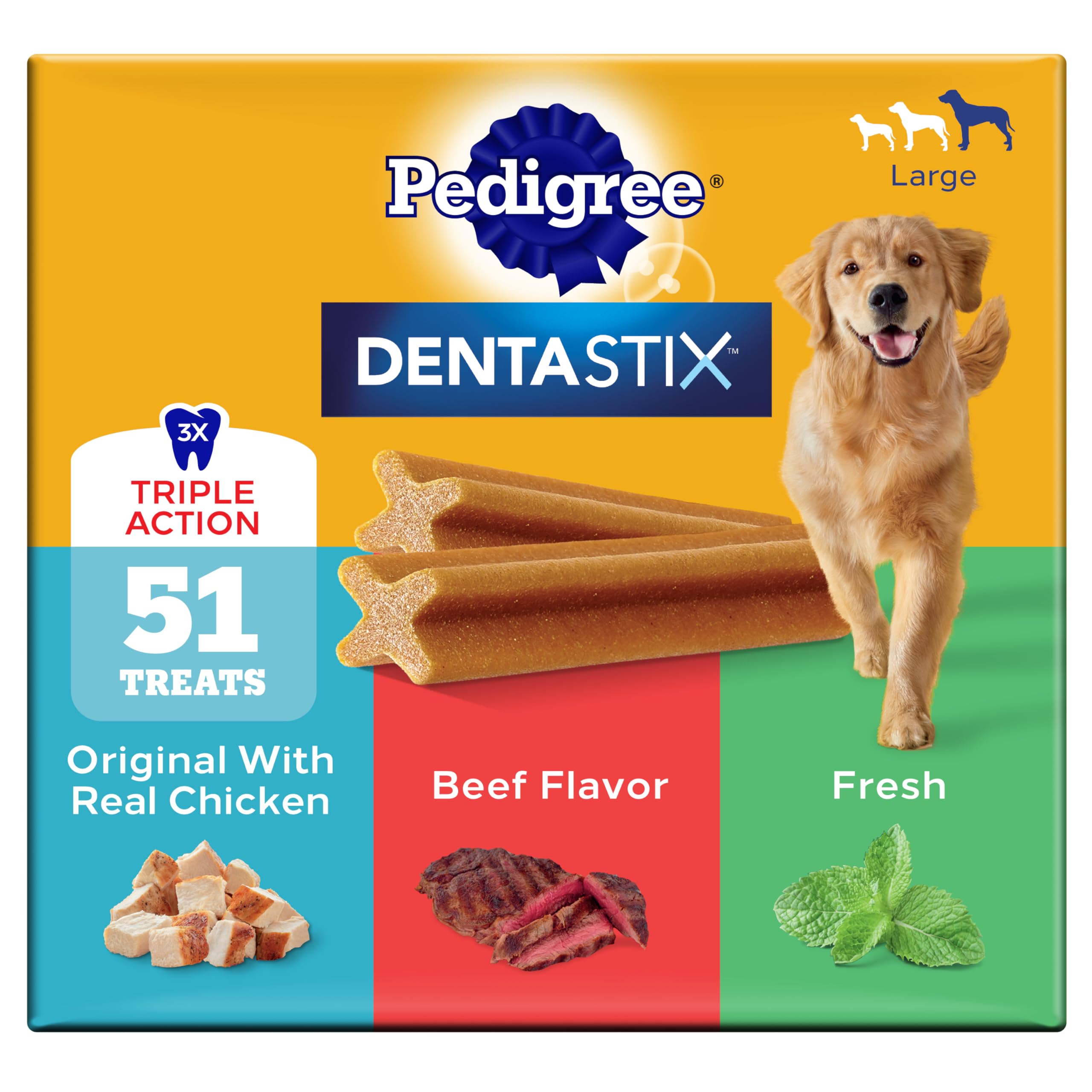
Pedigree Dentastix utilize a groove-based design approach but lack the extensive research foundation supporting the textured surface engineering found in Greenies Dental Dog Treats. Blue Buffalo emphasizes natural ingredients and offers grain-free alternatives, making them suitable for dogs with grain sensitivities, though the texture may provide less consistent cleaning action according to comparative analyses.
Milk-Bone Brushing Chews incorporate a bristle-inspired surface design, which presents an interesting concept, but Greenies dog dental chews maintain stronger research support for their mechanical cleaning approach. Raw bones carry significant risks including tooth fractures and digestive complications that many veterinary professionals advise against for safety reasons. Research has documented cases of gastrointestinal obstruction and dental trauma associated with certain types of natural bones.
The VOHC acceptance distinguishes Greenies Dental Dog Treats from many competitors, providing independent verification of plaque control efficacy that goes beyond manufacturer claims. This certification process involves submission of controlled study data that meets specific statistical requirements. Products without this verification may still offer benefits but lack the same level of documented evidence according to established veterinary dental standards.
When comparing dental products, researchers typically examine several parameters including plaque index reduction, gingival inflammation scores, and volatile sulfur compound levels related to breath odor. The results vary significantly based on the consistency of use, individual dog chewing behavior, and proper sizing for the recommended pet size and breed. No single product has demonstrated complete elimination of dental disease without accompanying professional care.
How This Review Was Researched
This comprehensive analysis draws from multiple authoritative sources to provide evidence-based information about Greenies Dental Dog Treats and their role in canine oral health management. The research process prioritized peer-reviewed veterinary literature, official product specifications, and established professional guidelines.
Primary research sources include technical documentation from the manufacturer, including detailed ingredient specifications, sizing guidelines, and safety protocols. These materials provide the foundation for understanding proper usage parameters and safety requirements for the recommended pet size and breed. All information was cross-referenced with independent veterinary resources.
Veterinary guidance comes from American Veterinary Medical Association (AVMA) position statements on canine dental care and recommendations from the Veterinary Oral Health Council (VOHC), which maintains standards for dental products demonstrating efficacy in plaque and tartar control. The VOHC website provides current listings of accepted products along with explanations of their acceptance criteria.
Peer-reviewed research from the Journal of Veterinary Dentistry and other veterinary publications provided scientific context for understanding plaque formation mechanisms, the role of mechanical cleaning in oral health, and the effectiveness of different dental care approaches. Studies examining various mechanical interventions were reviewed for methodology and findings applicable to edible dental chews.
Regulatory information from the Food and Drug Administration (FDA) and Association of American Feed Control Officials (AAFCO) established safety standards and ingredient approval guidelines that inform the safety assessment portions of this analysis. These organizations set parameters for pet food safety and labeling requirements.
Breed-specific health data comes from established breed health surveys and veterinary epidemiological studies that identify which medium-sized dogs commonly experience dental health challenges requiring preventive intervention. Multiple breed clubs maintain health information that highlights dental concerns within specific populations.
The analysis focuses exclusively on documented research, manufacturer specifications, and professional veterinary guidance rather than anecdotal reports or individual experiences. This approach ensures that information rests on established scientific knowledge and professional standards rather than subjective observations. All safety warnings and usage guidelines reflect current manufacturer recommendations and veterinary professional standards to ensure accuracy and compliance with established care protocols, including constant supervision and proper sizing for the recommended pet size and breed.
Additional sources reviewed include proceedings from the American Veterinary Dental College annual meetings, systematic reviews published in multiple veterinary journals, and technical reports on oral microbiology. Data compilation spanned several decades of published research to present a complete picture of both the historical development of mechanical dental